
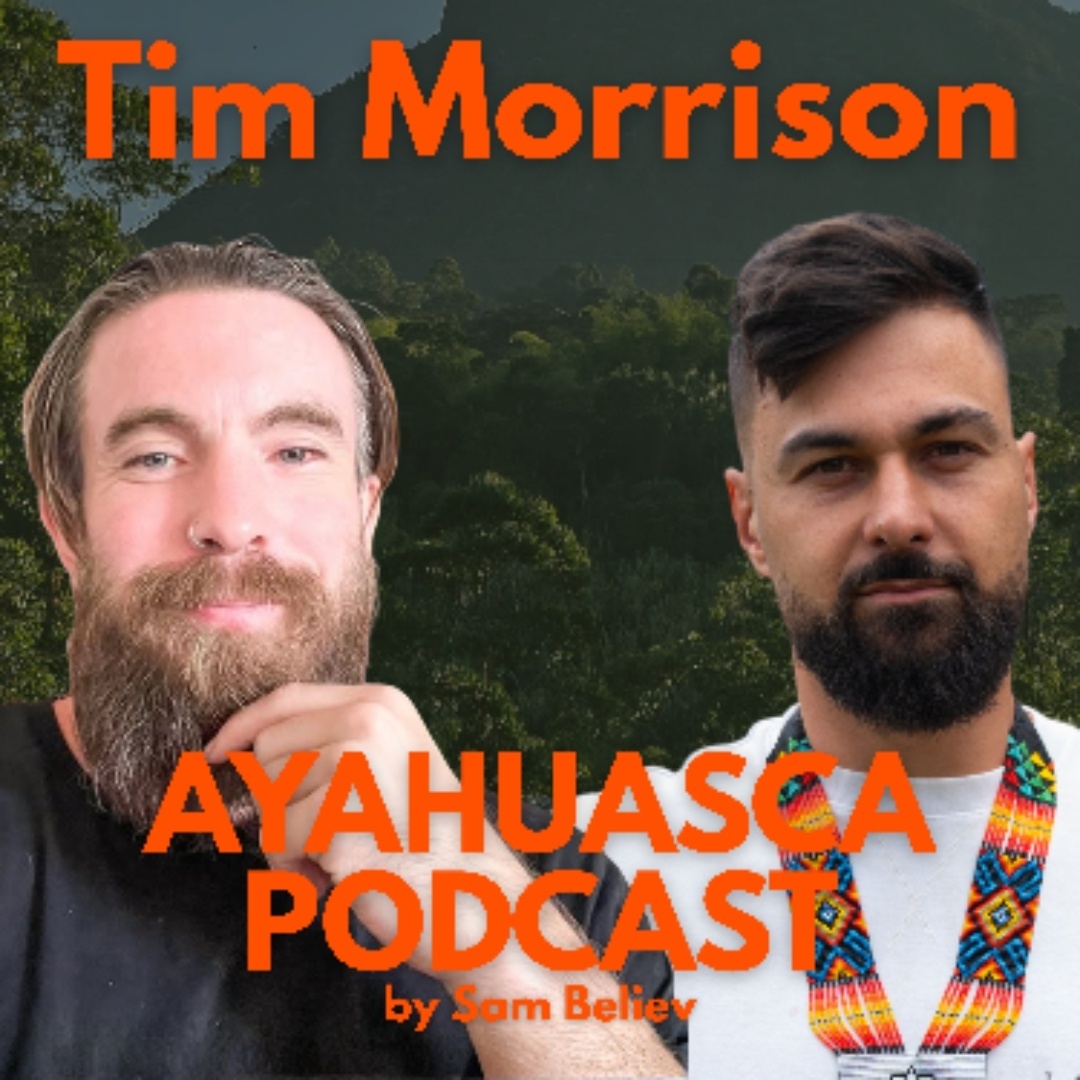
Tim Morrison’s path into healing work began with a sudden physical collapse. Once an elite Muay Thai fighter and strength coach, he suffered serious neck injuries that ended his fighting career and left him with chronic nerve pain. The loss of identity was even harder, and Morrison entered a period of depression and uncertainty.
Eventually, that crisis led him to the Amazon, where he began working with ayahuasca. What followed was not instant healing, but a long process involving altered states, somatic work, breathwork, and more than a year of integration.
When Healing Opens Too Much at Once
After his first extended ayahuasca experience, Morrison returned home feeling deeply connected and transformed. Soon afterward, however, he entered what he describes as a shamanic awakening. He experienced powerful energy moving through his body, vivid dreams, altered states, voices, spiritual imagery, and periods where he questioned whether he was losing his mind.
Morrison emphasizes how destabilizing it was. He says it took around 18 months to integrate what had happened, with support from his mother helping him remain grounded.
His story highlights that transformation is not always comfortable and may require significant support afterward.
How Ayahuasca Led to Breathwork
During a later period in the jungle, Morrison entered a traditional plant dieta and asked how he could bring some of the benefits of the medicine back to people who might never drink ayahuasca.
During ceremony, he experienced a strong message to focus on the breath. He began experimenting with conscious connected breathing while still in the jungle, then continued practicing when he returned home. Over time, those experiments developed into the trauma-informed approach he now calls Spiritus Breathwork.
His method combines rhythmic breathing with somatic awareness, emotional processing, movement, sound, and nervous-system regulation. The goal is not simply to create an intense altered state, but to work within what a person can safely process.
Breathwork and Altered States
Morrison sees similarities between breathwork and psychedelic experiences without claiming they are identical. Conscious connected breathing can produce tingling, emotional release, unusual sensations, vivid imagery, or altered states.
But intensity is not automatically healing. Someone who constantly chases altered states may actually be avoiding their body or using spiritual experiences as another form of escape.
That is why Morrison emphasizes regulation and pacing. Breathwork can deepen an experience, but it can also help settle the nervous system.
Why the Body Matters in Trauma Healing
A central part of Morrison’s work is helping people increase their capacity to feel sensations without immediately becoming overwhelmed, dissociating, or falling into old survival reactions.
He describes this through the idea of a window of tolerance. When people remain within that window, they can experience difficult emotions while staying present. Outside it, they may move into anxiety, panic, shutdown, numbness, or defensive behavior.
Somatic work gradually expands that capacity. Rather than forcing catharsis, Morrison prefers helping people stay connected to the body as sensations arise. Forced emotional release can be harder to integrate afterward.
Healing Should Change Daily Life
One of the strongest themes in the conversation is that healing work should eventually produce changes outside the retreat, ceremony, or breathwork session.
Morrison became skeptical after seeing people repeatedly attend transformational workshops, release the same emotions, and return without changing their daily patterns. A person can become attached to the identity of always healing.
At some point, the focus has to shift from asking what else needs to be fixed to asking what kind of life should be created. That may involve relationships, work, health, creativity, boundaries, or simply responding differently when familiar triggers appear.
Integration Is Where Transformation Becomes Real
Both ayahuasca and breathwork can create moments where people feel open, connected, and completely different from their usual selves. The challenge begins when they return home to the same relationships, habits, environments, and stresses.
Integration means noticing when an old reaction begins and choosing something different. It also means allowing enough time between intense experiences for the nervous system to absorb what has happened.
Morrison’s journey from fighter to facilitator ultimately points to a simple idea: the experience itself is only part of healing. Whether the tool is ayahuasca, breathwork, meditation, or another practice, transformation becomes meaningful when insights are translated into the way a person actually lives.
Listen to the whole podcast episode here: https://open.spotify.com/episode/1oL50OTL80DqoRATXbJ3Tj?si=1a8db3dd349d4077